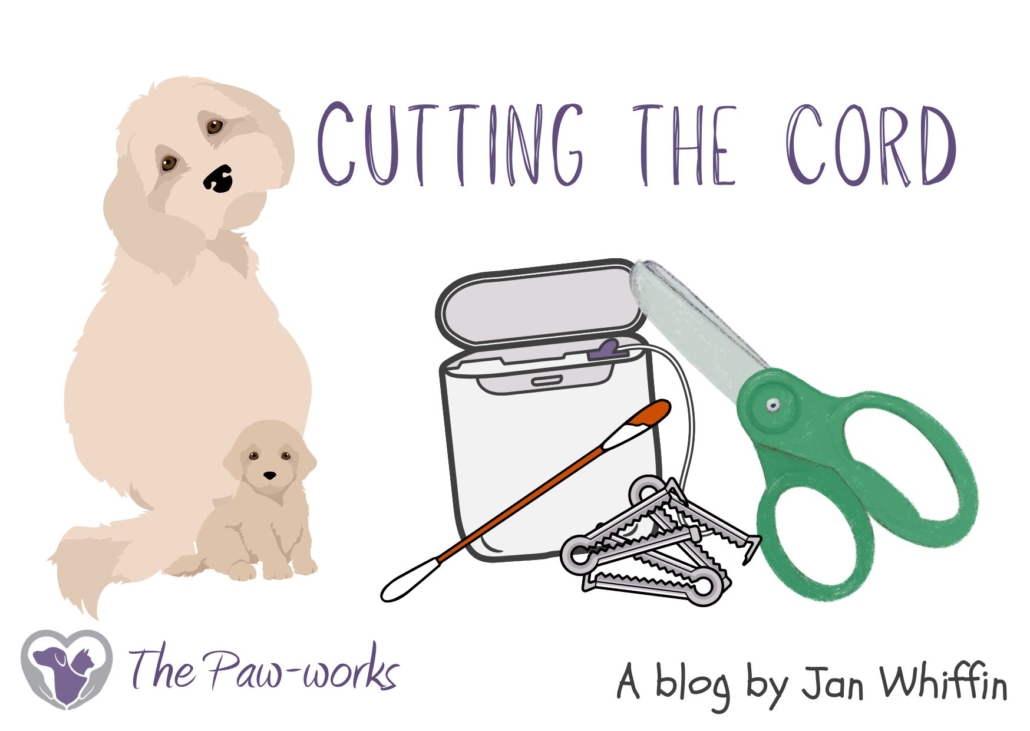
Cutting the Cord When Whelping Puppies
A Guide to Handling the Umbilical Cord When Whelping Puppies
Knowing what to do during whelping is something new breeders often stress over, and handling the umbilical cord is one of the areas that can feel especially daunting. While many mothers manage this part naturally, there will be times when you need to step in. Being prepared and understanding your options can make the entire process calmer and safer for both you and your puppies.
Firstly, let the Mother Handle It Naturally
In many cases, the best approach is simply to let the dam take the lead. Most experienced mothers will instinctively chew through the cord soon after the puppy is born. This is often the safest, most natural option, just monitor closely to ensure she doesn’t chew the cord too short or tug too harshly, which can lead to bleeding or discomfort.
When You Need to Intervene
Some mothers, especially first‑timers, may be tired, overwhelmed, or unsure of what to do. Multiple puppies arriving quickly can also make it hard for her to keep up. This is where you may need to help.
Tying and Cutting the Cord
A traditional and trusted method used by many breeders:
- Use clean, sterilised scissors and use a sawing action.
- Tie sterile thread or dental floss 1–2 cm from the belly.
- Add a second tie just beyond the first.
- Make a clean cut between the ties.
- Treat the stump with iodine if needed.
This method helps control bleeding and maintain hygiene.
Using Cord Clamps
Cord clamps are a clean, quick, and effective way to manage the umbilical cord, especially helpful during fast deliveries or when whelping alone.
How to use a cord clamp:
- Gently dry the cord with sterile gauze.
- Place the clamp 1–2 cm from the puppy’s abdomen.
- Ensure it’s locked firmly without pinching the skin.
- Cut the cord a few millimetres above the clamp.
- Leave the clamp on—it will drop off once the stump dries.
Cord clamps are ideal for breeders who want a reliable, low‑mess option.
Using Iodine to Protect the Navel
Iodine helps disinfect the stump and reduce infection risk, particularly if the end looks moist or frayed. The iodine swabs we sell are ideal for this. Snap the end and apply a light coat.
Delaying Cord Cutting in Emergencies
If a puppy needs urgent attention, blocked airways, weak breathing, or limp presentation, focus on stabilising the puppy first.
You can safely cut the cord once the pup is breathing well and no longer in distress.
When to Call a Vet
Contact a vet if:
- The cord is bleeding continuously
- The placenta won’t detach
- There’s swelling, herniation, or unusual appearance around the navel
Never hesitate, early intervention prevents complications.
Giving Puppies the Best Start
Handling the umbilical cord is just one part of the whelping process, but knowing your options helps everything go more smoothly. Whether you let the mother take the lead, use cord clamps, tie and cut, or support a struggling pup first, preparation and calm handling ensure each puppy gets the healthiest start possible.
Frequently asked questions about cutting the cord when whelping
When should you cut a puppy’s umbilical cord?
In most cases the mother will chew through the cord herself within a few minutes of the puppy being born. Only step in if she does not, if puppies are arriving too quickly for her to keep up, or if a pup needs urgent help. Always stabilise a struggling puppy before dealing with the cord.
How do you stop a puppy’s umbilical cord from bleeding?
Tie sterile thread or dental floss around the cord 1 to 2 cm from the belly, add a second tie just beyond it, then cut cleanly between the ties. A cord clamp does the same job quickly. Treat the stump with iodine to lower the risk of infection.
How far from the body should you cut the cord?
Leave roughly 1 to 2 cm of cord attached to the puppy’s abdomen. Never cut flush to the body, and avoid pulling on the cord, as this can cause a hernia.
When should you call a vet?
Contact your vet if the cord bleeds continuously, the placenta will not detach, or there is swelling, herniation or an unusual appearance around the navel. Early advice helps prevent complications.

